
High School Transition Curriculum for Grades 9–12
A standards-aligned, spiraled high school transition curriculum that prepares students with mild-to-moderate needs for postsecondary success—while simplifying Indicator 13 compliance.
A 4-Year High School Transition Pathway
A spiraled scope and sequence that builds independence and readiness across Grades 9–12.
Grade 9
Exploration
Start strong with self-awareness and routines. Build study habits, self-care, and confidence while exploring job, strengths skills and friendships.
Grade 10
Planning
Turn interests into a plan. Choose courses with purpose, level up time management, and build workplace + budgeting basics for growing independence.
Grade 11
Practice
Make it real with hands-on practice. Strengthen communication, work ethic, and problem-solving—plus postsecondary readiness and smart learning tools.
Grade 12
Launch
Launch your next chapter by putting your plan into action. Practice adult-life skills like housing, budgeting & bills, responsibilities and healthcare—and advocate for your rights and supports.
Progression of High School Transition Curriculum Across 6 Core Domains
A spiraled scope and sequence that develops transition skills year by year across Grades 9–12
Self-Determination
Across four years, students build a stronger sense of self and direction—starting with identifying strengths and support needs, then growing into self-advocacy, decision-making, and leadership. Along the way, they practice seeking support, overcoming limiting beliefs, solving problems, and developing resilience. By the end of high school, students take greater responsibility for choices and goals and are prepared to advocate for themselves as they move into adult life.
Independent Living
Students develop practical independence skills that start with daily routines—cleaning, cooking, personal care, organization, and time management—and expand into community navigation and accessing resources safely. Over the years, students add more complex responsibilities like budgeting, paying bills, choosing housing, and managing appointments. By the end of high school, students have the foundational knowledge and routines needed to handle adult responsibilities more independently and safely.
Employment Skills
Students build career readiness from the ground up—job search basics, résumé writing, applications, and interview preparation—while learning what employers expect (professionalism, punctuality, communication, teamwork). As skills mature, students practice real workplace behaviors like reliability, leadership, safety, and using workplace technology. By the end of high school, students connect strengths and interests to career options and develop the advanced habits and communication skills needed to thrive on the job.
Education & Training
Students learn how to manage learning demands in high school and beyond by building study habits, organization systems, and routines that support academic growth. Over time, instruction expands into planning tools, time management, motivation strategies, and the changing expectations of postsecondary environments. By upper grades, students apply these skills to evaluate pathways, prepare for graduation, and navigate real academic responsibilities—including requesting accommodations and building independent learning habits.
Social Skills
Students strengthen communication, empathy, and relationship skills across increasingly complex situations. Early instruction focuses on navigating friendships, social cues, and digital behavior while building foundational communication and conflict-resolution skills. As students grow, they learn boundary-setting, leadership, respect for differences, and strategies for handling challenging social dynamics. By the end of high school, students apply mature interpersonal skills across school, workplace, and community settings.
Health & Wellness
Students build lifelong wellness habits through emotional awareness, physical health routines, stress management, safety practices, and healthy decision-making. Early learning establishes foundational routines (hygiene, movement, nutrition basics, emotional regulation) and grows into preventive care, stress reduction, and help-seeking strategies. By the end of high school, students create personal wellness plans and practice the skills needed for healthy transitions into adulthood.
Built on Universal Design for Learning (UDL)
For Students
We don’t treat accessibility as an “add-on.” We use UDL to ensure instruction works best for every learner.
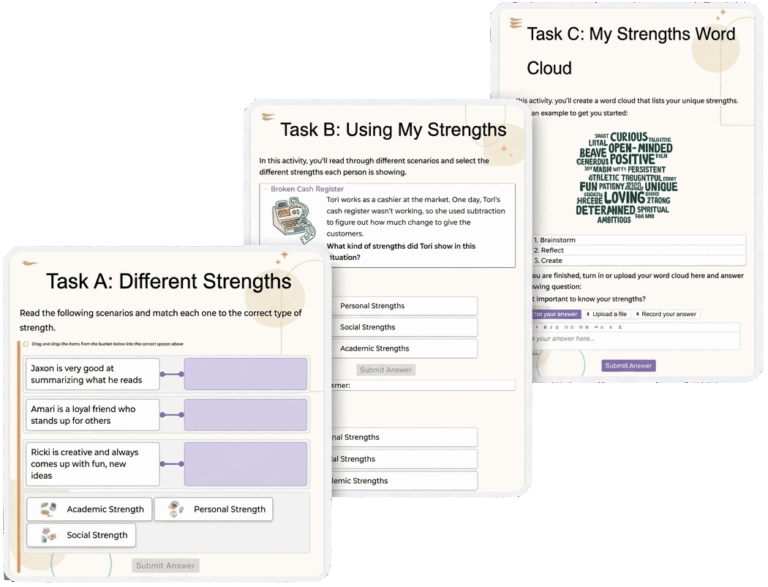
- Leveled Tasks: Foundational, Core, and Extension activities for every lesson to meet students where they are.
- Voice & Choice: Students answer via Text, Audio, or Drawing.
- Accommodations Bar: Integrated text-to-speech and translation for 130+ languages.
Ready-to-Teach Engagement
FOR TEACHERS
Move beyond static PDFs. Our interactive lessons engage students with real-time participation tools while giving teachers full control.
- 3 Delivery Modes: Instantly switch between Front-of-Class, Student-Paced, or Live Participation.
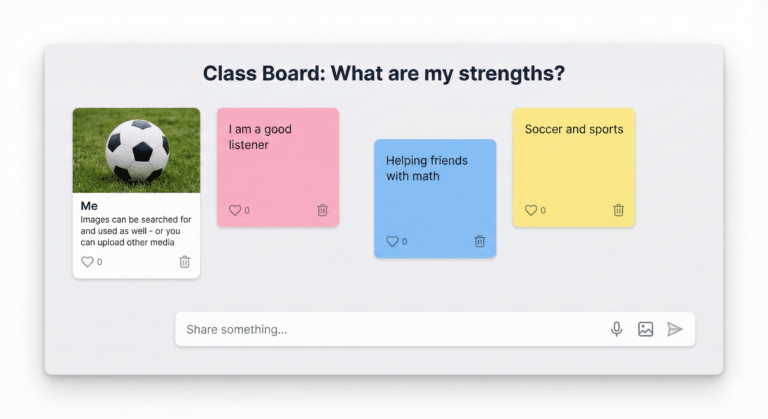
- Collaboration Boards: Digital sticky notes for class discussion with moderation controls.
- Zero-Prep Planning: Comprehensive guides include pacing, vocabulary, and objectives.
Assess. Instruct. Measure.
FOR ADMINISTRATORS
Transition is a process, not a checkbox. Ori Learning supports the entire lifecycle:
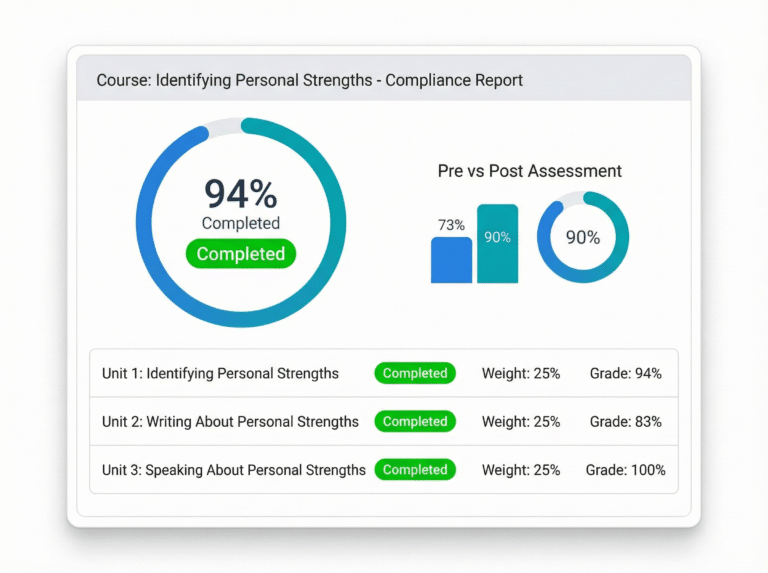
- Establish Baseline: Start the course with a Pre-Course Assessment to identify current interests and knowledge gaps.
- Targeted Instruction: Students engage in differentiated lessons that build real-world skills and vocabulary.
- Monitor Progress: Use Post-Course Assessments to track growth, providing evidence that students are acquiring the skills needed for their post-secondary goals.
The Journey Doesn’t End After Grade 12
See how our High School curriculum aligns with our Adult Transition track through a single, continuous pathway built on the same 6 Core Domains.